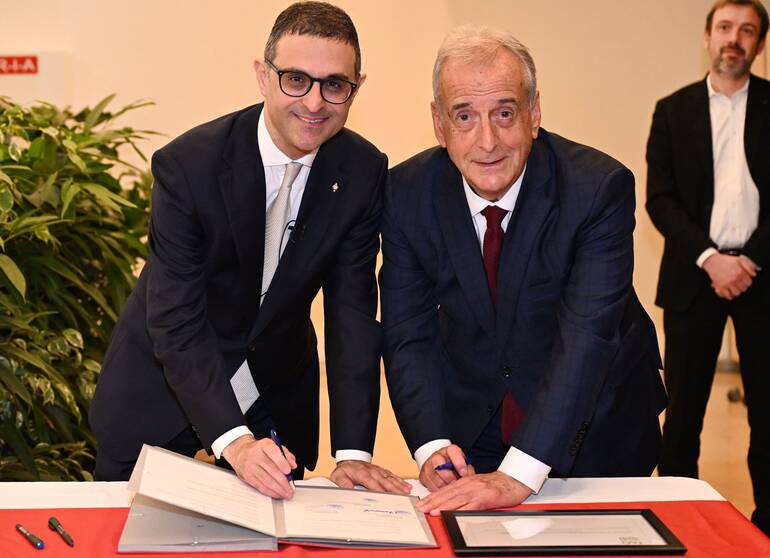
Comment la ville de Courbevoie est devenue un leader mondial dans la lutte contre le gaspillage alimentaire ?
Le 24 octobre 2024 le maire de Courbevoie Jacques Kossowski, accompagné de son adjoint délégué à la ville verte et durable, Arash Derambarsh, se sont rendus à Rome à l’invitation de la FAO...
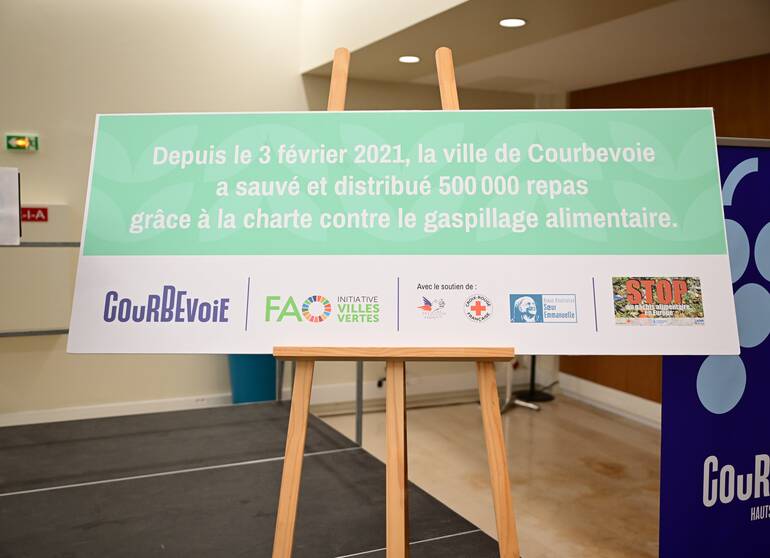
Lutte contre le gaspillage alimentaire
Depuis le 3 février 2021, la ville de Courbevoie a sauvé et distribué 500 000 repas grâce à la charte contre le gaspillage alimentaire.Selon les Nations Unies, 17 % de la nourriture totale disponible dans le monde pour les consommateurs est jetée...
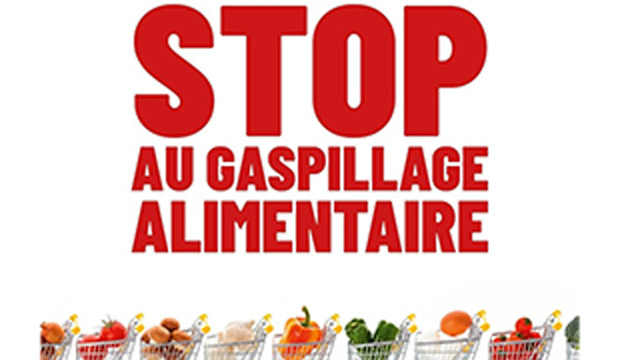
Livre : Stop au gaspillage alimentaire
A l'origine, Arash Derambarsh porte une conviction simple, née sur le terrain : rien ne justifie que l'on jette ce qui peut nourrir. De ce combat est née une révolution : la loi du 3 février 2016, qui interdit aux supermarchés de jeter leurs invendus et les oblige à les donner. Face aux lobbys de la grande distribution, aux résistances politiques et au silence médiatique, une bataille s'engage. Elle révèle une réalité implacable : chaque année 4 millions de tonnes de nourriture sont gaspillées en France...

Stop au gaspillage alimentaire - 10 ans de combat
Quand un combat citoyen devient une loi qui change le mondeÀ l’origine, Arash Derambarsh porte une conviction simple, née sur le terrain : rien ne justifie que l’on jette ce qui peut nourrir. De ce combat est née une révolution : la loi du 3 février 2016, qui interdit aux supermarchés de jeter leurs invendus et les oblige à les donner. Face aux lobbys de la grande distribution, aux résistances politiques et au silence médiatique, une bataille s’engage. Elle révèle une réalité implacable : chaque année, 4 millions de tonnes de nourriture sont gaspillées en France, tandis que des millions de personnes souffrent de la faim.

"Stop au gaspillage alimentaire" : le cri d'alarme et les solutions d'Arash Derambarsh
Ce mercredi 4 février, Arash Derambarsh raconte les coulisses de son combat contre le gaspillage alimentaire dans un livre publié aux éditions Fayard

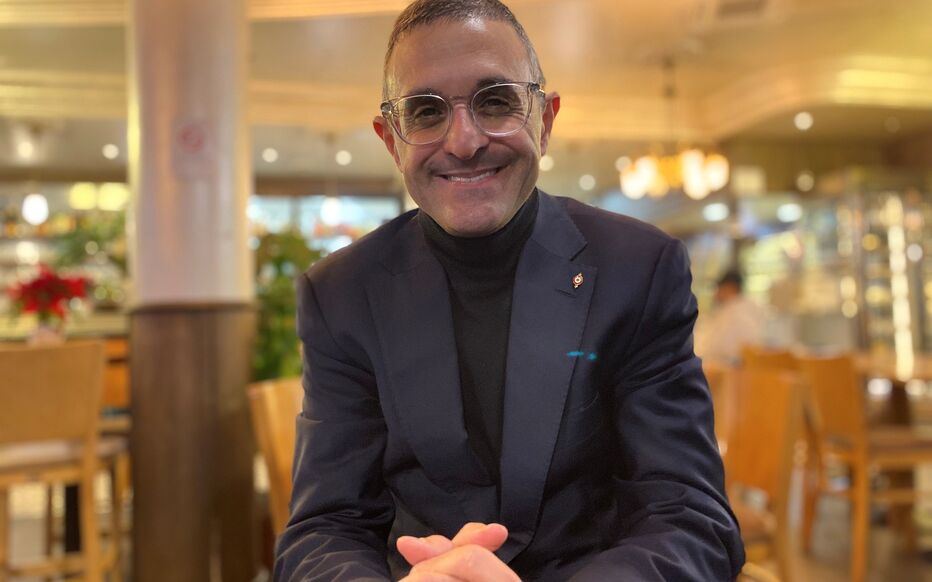
Arash Derambarsh redevient docteur en droit
L’adjoint au maire de Courbevoie est allé en Arménie soutenir une nouvelle thèse de droit. Cette fois, sur les enjeux juridiques du gaspillage alimentaire.

En Corse aussi, la lutte contre le gaspillage alimentaire est une cause prise à cœur
C'est grâce à la contribution d'Arash Derambarsh, adjoint au maire de Courbevoie, dans les Hauts-de-Seine, que la loi antigaspillage alimentaire a vu le jour en 2016. Son objectif : faire en sorte que les invendus des grandes surfaces ne finissent pas à la poubelle. En Corse, commerces et associations déploient les moyens dont ils disposent...
Arash Derambarsh : Je veux que mon fils grandisse dans un monde qui ne gaspille plus
Pionnier dans la lutte contre le gaspillage alimentaire, l’élu à la mairie de Courbevoie et juriste, Arash Derambarsh est notamment à l’origine d’une loi adoptée en 2016. Neuf ans plus tard, le lanceur d’alertes charismatique constate une certaine avancée dans le domaine mais note toutefois plusieurs points à améliorer.
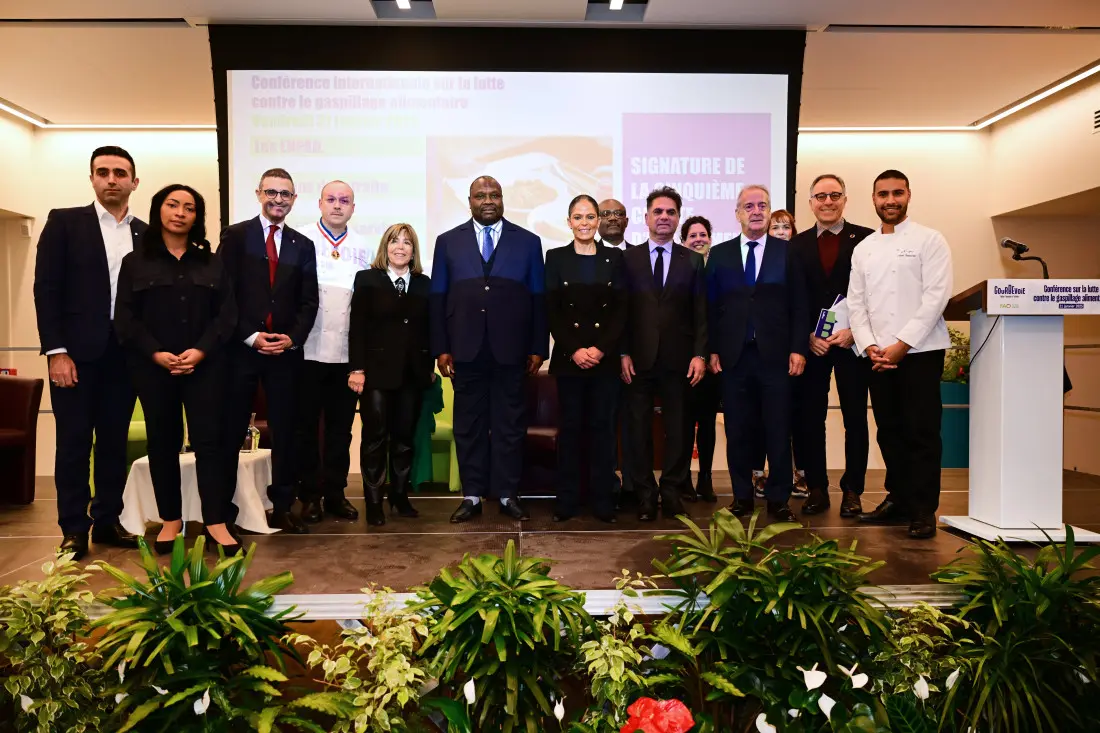
Le combat de Courbevoie contre le gaspillage alimentaire inspire d’autres élus et collectivités
Avec 500 000 repas sauvés depuis 2020, Courbevoie se présente comme « la première ville mondiale pour la lutte contre le gaspillage alimentaire ». Et la commune, qui est aussi devenue la première ville française à intégrer le réseau « Green City » de la FAO (l’organisation pour l’alimentation et l’agriculture des Nations Unies), ...
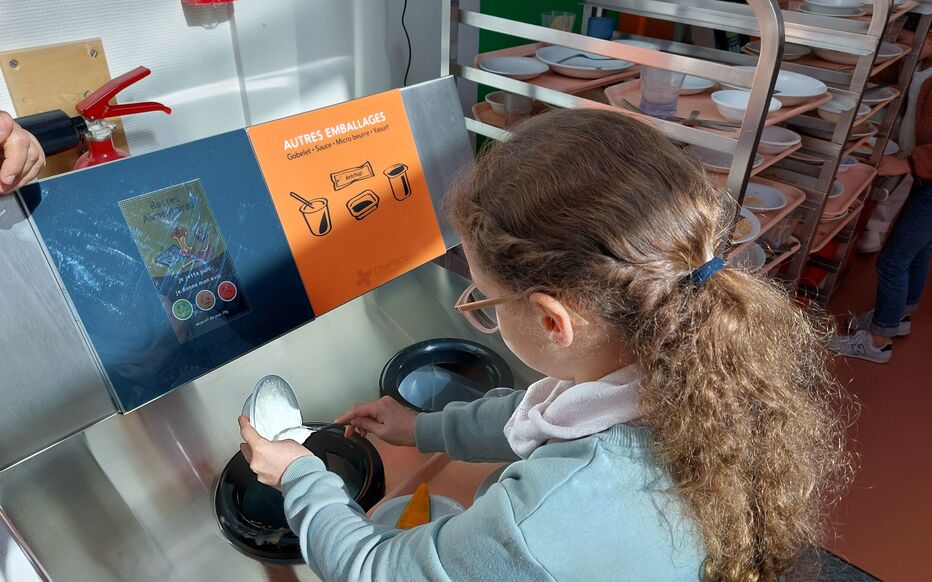
Lutte contre le gaspillage alimentaire : Courbevoie la pionnière essaime de Saint-Ouen à Brazzaville via La Défense
Lancées en 2021 d’abord avec les supermarchés, puis les hôpitaux et la restauration collective, les chartes anti-gaspillage portées par la municipalité ont permis de sauver et de redistribuer l’équivalent de 500 000 repas. De quoi faire des émules en Île-de-France mais aussi de rayonner à l’international.

Une nouvelle loi contre le gaspillage alimentaire : des mesures renforcées pour un impact durable
Chaque année, 10 millions de tonnes de nourriture encore consommable sont jetées en France, soit l’équivalent de 1000 tour Eiffel. En 2022, le gaspillage alimentaire représentait 4,3 millions de tonnes de denrées, selon les données du ministère de l’Agriculture. Une aberration alors que la précarité alimentaire touche aujourd’hui 16 % de la population française.
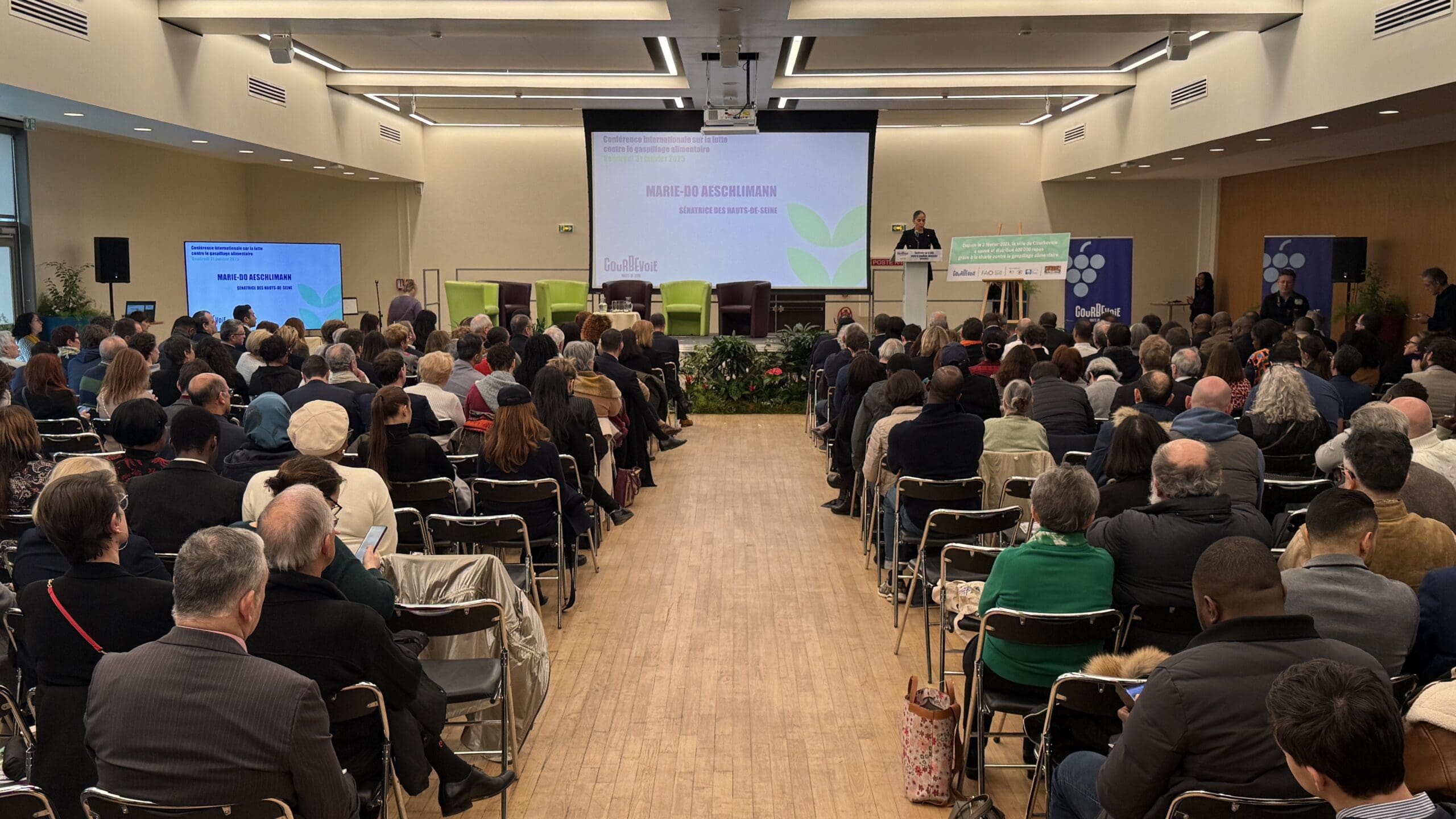
Courbevoie mène la révolution contre le gaspillage alimentaire et prône un « capitalisme humain »
10 millions de tonnes de nourriture jetées chaque année en France. L’équivalent de 1000 Tour Eiffel. Un fléau national, un fléau mondial. Ce vendredi 31 janvier 2025, la ville de Courbevoie (Hauts-de-Seine) organisait une conférence internationale sur la lutte contre le gaspillage alimentaire.Entrevue a assisté à cet événement engagé pour changer le monde.

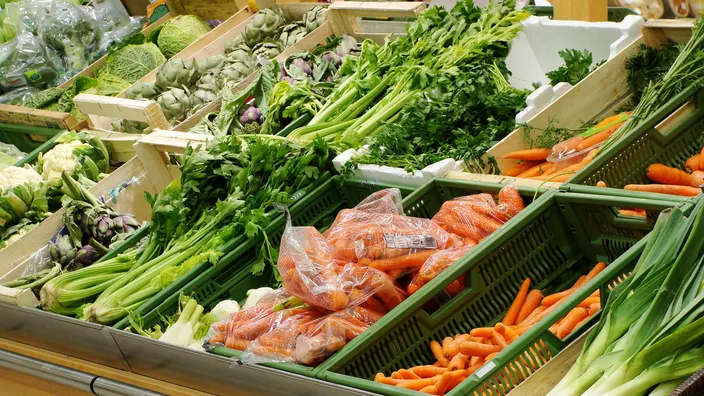
Gaspillage alimentaire : une nouvelle loi pour aller plus loin
Une PPL a été déposée au Sénat pour augmenter le nombre des entreprises devant distribuer leurs invendus aux associations et renforcer les sanctions contre celles qui resquillent.
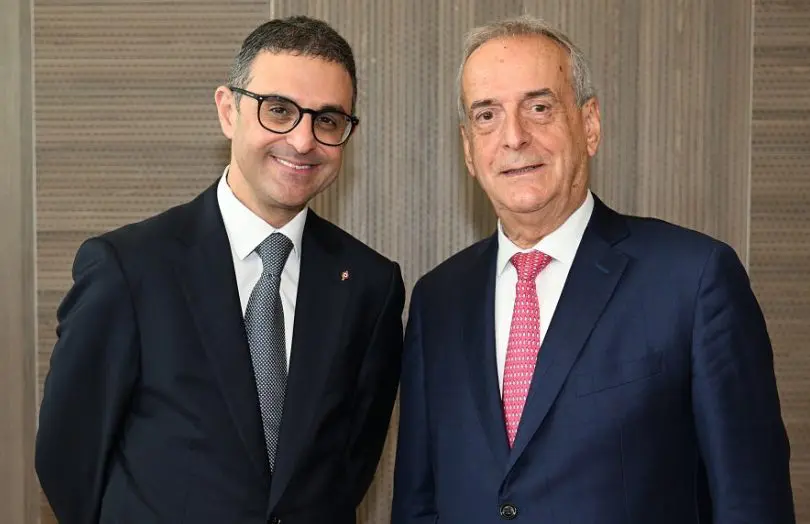
La FAO met à l’honneur Courbevoie, ville pionnière mondiale dans la lutte contre le gaspillage alimentaire
En seulement quatre ans, Courbevoie, ville des Hauts-de-Seine, s’est imposée comme un exemple mondial dans la lutte contre le gaspillage alimentaire. Avec plus de 450 000 repas sauvés, ses initiatives novatrices ont été saluées lors du 52ᵉ Comité de la sécurité alimentaire mondiale organisé par la FAO à Rome.
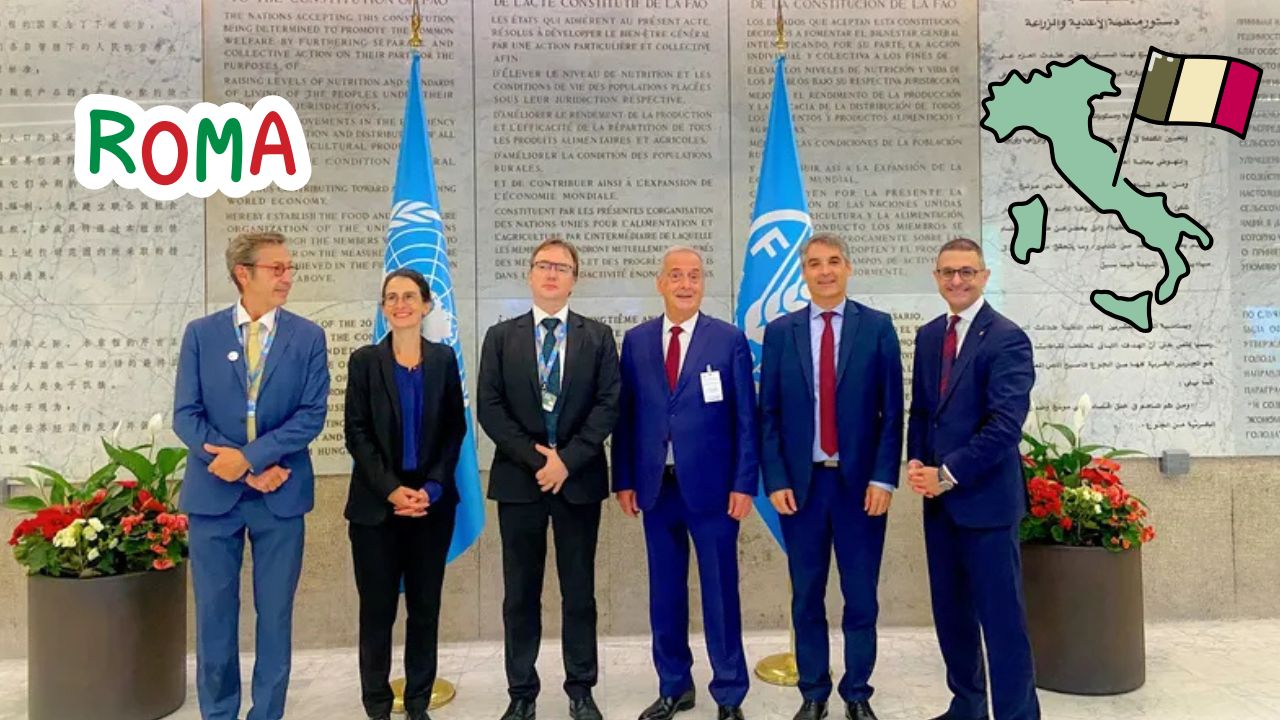
Courbevoie reçue à Rome en tant que leader mondial contre le gaspillage alimentaire, Arash Derambarsh s’en réjouit
400 000 repas sauvés en 4 ans. Un exemple. La ville de Courbevoie (Hauts-de-Seine) en locomotive mondiale de la lutte contre le gaspillage alimentaire. Ce n’est pas une auto-congratulation très française mais bien la réalité.
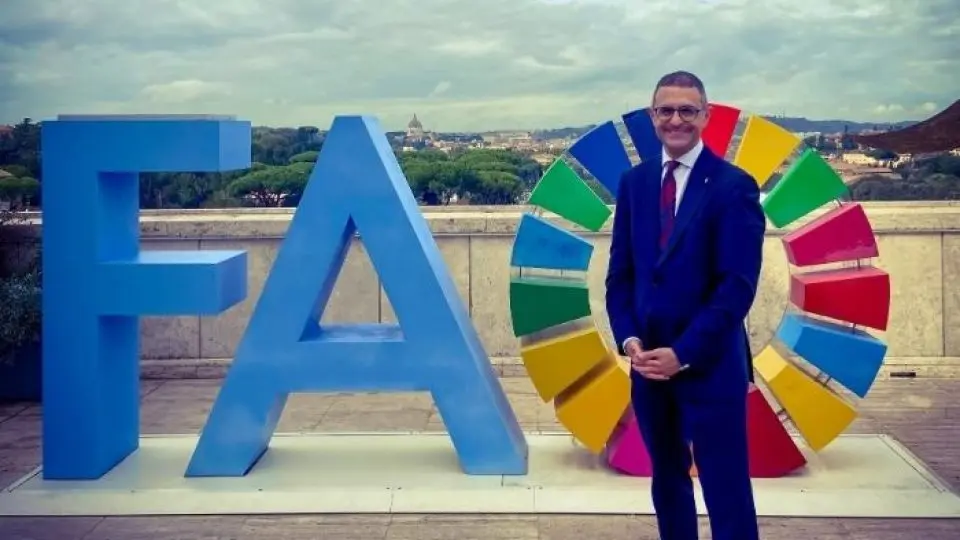
« Nous avons mis en place un programme sur six ans pour lutter contre le gaspillage alimentaire », interview Arash Derambarsh (The Good)
En octobre dernier, la ville de Courbevoie (92) a été désignée Green City par la FAO, la branche de l’ONU chargée de l’alimentation, à l’occasion du 52e comité de la sécurité alimentaire mondial. Son action anti-gaspillage alimentaire a permis de « sauver 450.000 repas en quatre ans », explique Arash Derambarsh, adjoint au maire en charge du développement durable de Courbevoie.

Gaspillage alimentaire : Courbevoie, ville inspirante pour le monde entier
À l'occasion du 52e Comité de la sécurité alimentaire mondiale (CSA), qui s'est tenu à Rome le 24 octobre dernier, Courbevoie a partagé les clés d'un succès remarquable : en seulement quatre ans, cette ville des Hauts-de -Seine a réussi à sauver l'équivalent de 400 000 repas qui sinon auraient finis à la poubelle.
Interview d’Arash Derambarsh sur BFM TV : Courbevoie leader mondial contre le gaspillage alimentaire
Depuis l'adoption de la loi contre le gaspillage alimentaire, votée le 11 février 2016, les supermarchés ont l’obligation de reverser leurs invendus à des associations caritatives.Ainsi, cette loi a rapidement prouvé ses effets bénéfiques : plus de 10 millions de repas sont distribués chaque année en France.
Lutte contre le gaspillage alimentaire : le maire de Courbevoie prêche à Rome
Ville « pionnière » dans la lutte contre le gaspillage alimentaire, Courbevoie a l’oreille et la reconnaissance des Nations Unies dans ce domaine. Preuve en est, son maire (LR) Jacques Kossowski, et Arash Derambarsh, son adjoint délégué à la ville verte et durable, sont à Rome ce jeudi 24 octobre pour être reçus par la FAO, l’organisation pour l’alimentation et l’agriculture des Nations Unies.

Courbevoie, leader mondiale de la lutte contre le gaspillage alimentaire
La commune des Hauts-de-Seine a été nommée le leader mondial dans la lutte contre le gaspillage alimentaire par les Nations unies. La consécration d’une politique de la ville menée depuis 2020 à l’échelon local.
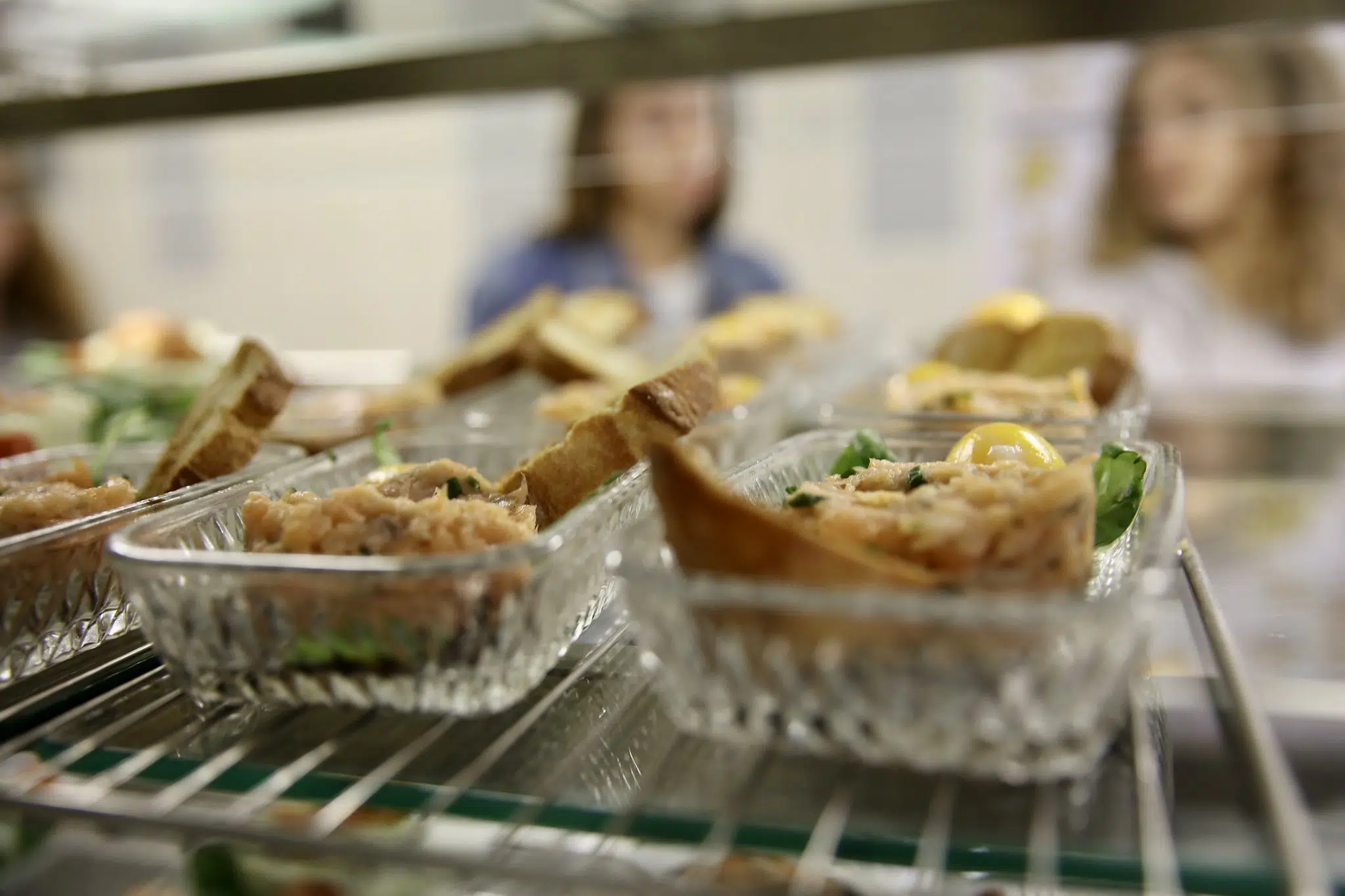
Courbevoie distinguée par les Nations Unies pour ses actions contre le gaspillage alimentaire
La Ville de Courbevoie a été désignée “Ville verte mondiale” par les Nations unies pour son engagement contre le gaspillage alimentaire. Les détails.

Fight against food waste: the city of Courbevoie rewarded by the United Nations
It is a world first for a French municipality. Courbevoie in Hauts-de-Seine has been awarded the “green city” label by the United Nations. This Thursday, representatives of the city travelled to Rome, Italy, to present their actions to fight food waste at an international summit
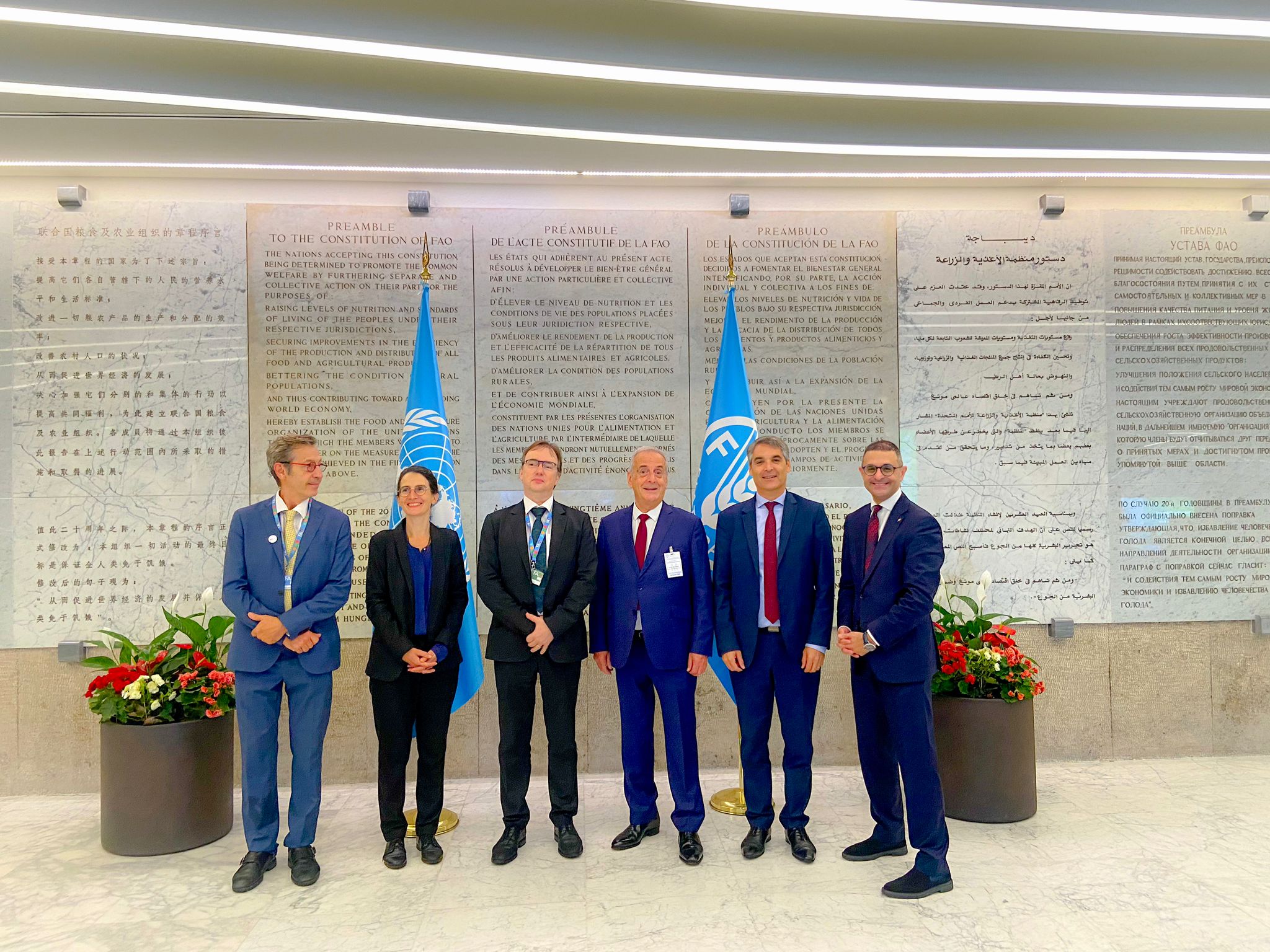
Courbevoie, la ville est a l’honneur a rome pour la lutte contre le gaspillage alimentaire.
Le 52ᵉ comite de la sécurité alimentaire mondiale basée à Rome, récompense la mairie de Courbevoie. En étant récompensée par le label ” green city mondiale” cette ville de France est devenue championne et surtout l’exemple à suivre dans le monde en matière de lutte contre le gaspillage alimentaire.

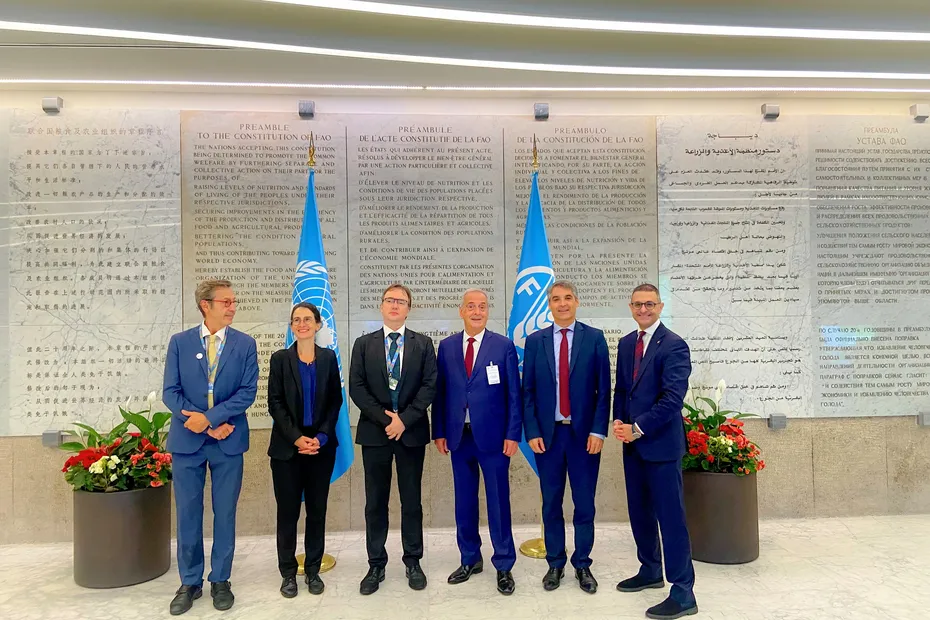
Lutte contre le gaspillage alimentaire : la ville de Courbevoie récompensée par les Nations Unies
C'est une première mondiale pour une commune française. Courbevoie dans les Hauts-de-Seine a été distinguée du label « ville verte », par l'Organisation des Nations Unies. Ce jeudi, des représentants de la ville se sont rendus à Rome, en Italie, pour présenter leurs actions pour lutter contre le gaspillage alimentaire lors d’un sommet international.
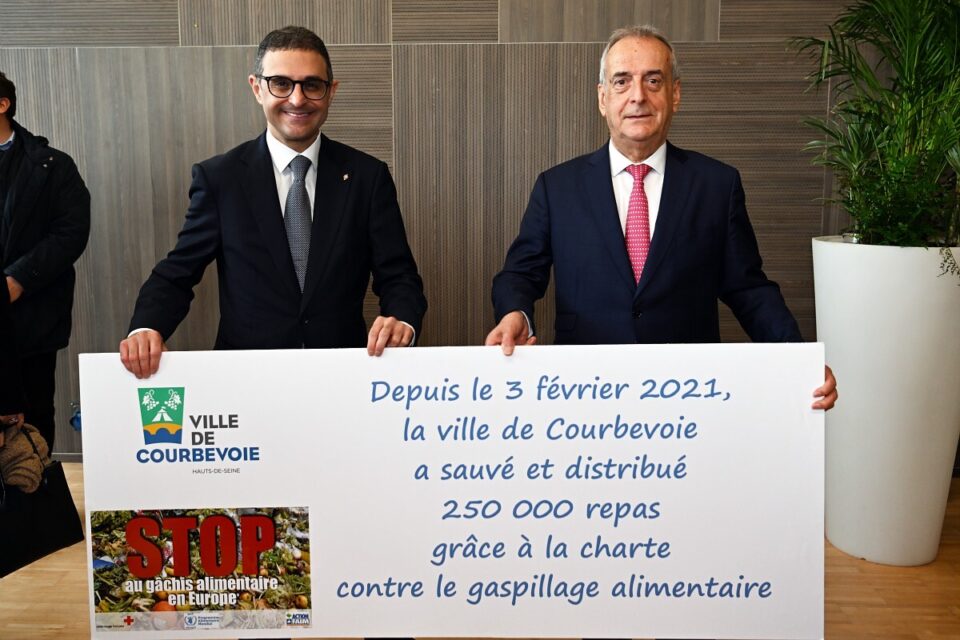
Cette ville des Hauts-de-Seine devient le leader mondial dans la lutte contre le gaspillage alimentaire
Les Nations-Unies ont désigné Courbevoie comme le leader mondial dans la lutte contre le gaspillage alimentaire, grâce aux actions menées par la ville à l'échelle locale.
Une première en France : cette ville est championne du monde de la lutte contre le gaspillage alimentaire
En étant récompensée par le label "Ville verte mondiale" par les Nations-Unies, cette ville de France est devenue la référence dans le monde en matière de lutte contre le gaspillage alimentaire.
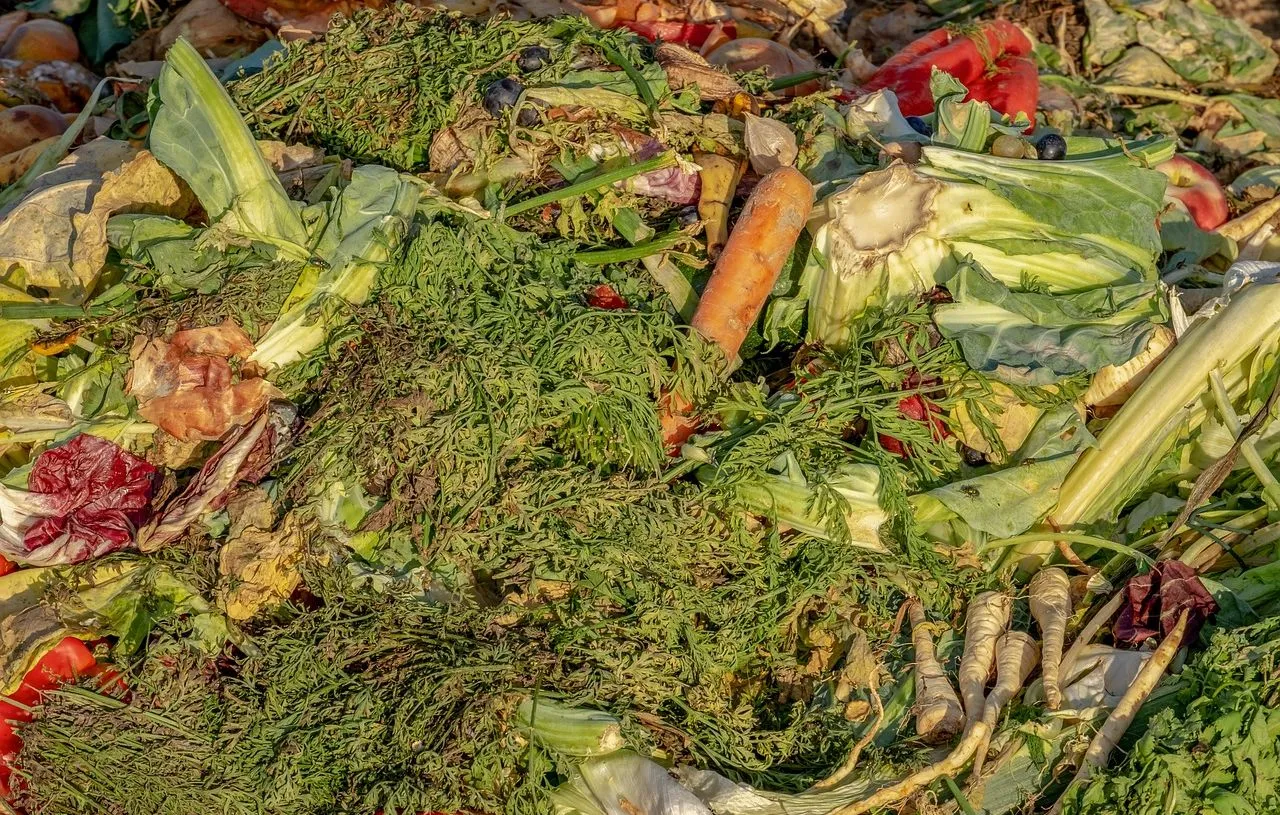
Gaspillage alimentaire : Cette ville des Hauts-de-Seine saluée pour son engagement par l’ONU
DISTINCTION : L’ONU a salué la politique anti-gaspillage de la ville de Courbevoie (Hauts-de-Seine), lors du Comité de la sécurité alimentaire mondiale.

Lutte anti gaspi : en quatre ans, la ville de Courbevoie a sauvé 400 000 repas de la poubelle
La politique ambitieuse de la ville de Courbevoie (Hauts-de-Seine) en matière de lutte contre le gaspillage alimentaire a permis de sauver 400 000 repas de la poubelle en quatre ans, indique « France Bleu Paris ». Elle est invitée à en parler à Rome, ce jeudi 24 octobre 2024, à l’occasion du 52e Comité de la sécurité alimentaire mondiale.
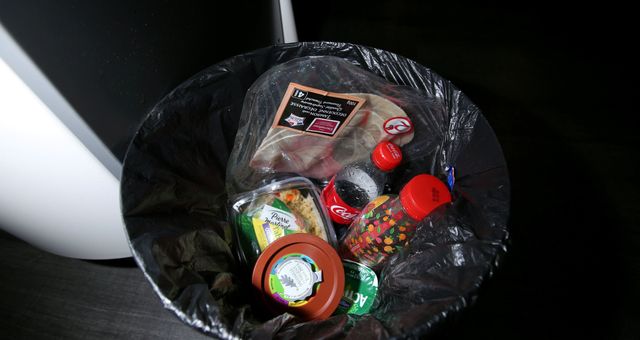
Gaspillage alimentaire : "On a sauvé 450.000 repas en 4 ans", se réjouit l'adjoint au maire de Courbevoie
Alors que la ville des Hauts-de-Seine est mise à l'honneur à Rome aujourd'hui, pour le 52e comité de la sécurité alimentaire mondiale, l'adjoint au maire en charge de la ville verte et durable Arash Derambarsh était ce mercredi matin l'invité de France Bleu Paris.
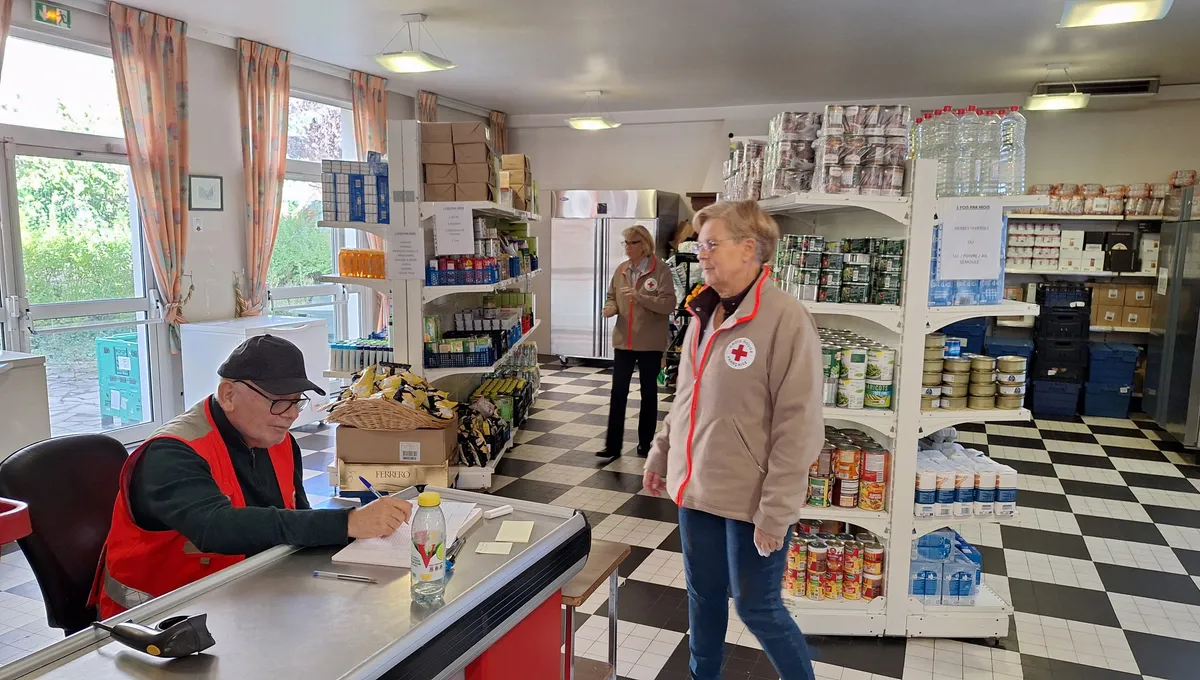
La ville de Courbevoie distinguée par les Nations unies pour sa politique anti-gaspi
À l'occasion du 52e Comité de la sécurité alimentaire mondiale, qui se tient depuis lundi à Rome, la ville de Courbevoie doit partager les recettes de sa politique anti-gaspi. En quatre ans, l'équivalent de 400.000 repas ont été sauvés de la poubelle.
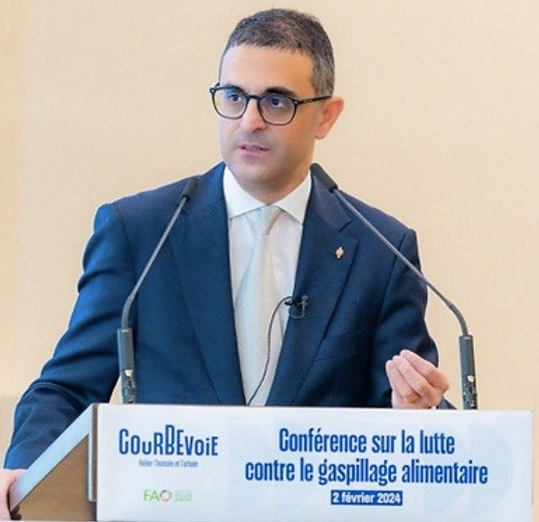
Arash Derambarsh : Visage de la Lutte contre le Gaspillage Alimentaire.
Arash Derambarsh est la personnalité mondiale qui incarne le mieux la lutte contre le gaspillage alimentaire comme l’ont affirmé les prestigieux journaux « Guardian » et « The Independent ».
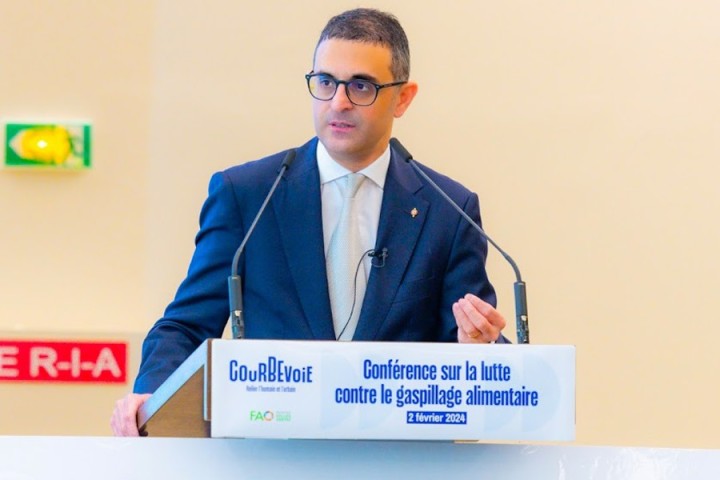
Arash Derambarsh : La loi contre le gaspillage alimentaire est une innovation majeure dans la lutte contre le réchauffement climatique
Arash Derambarsh est adjoint au maire en charge du développement durable dans la commune de Courbevoie. Il est à l'origine de la loi contre le gaspillage alimentaire votée le 3 février 2016 en France. En Suède, en 2019, il a reçu le « WIN WIN Gothenburg Sustainability Award ».

La loi contre le gaspillage alimentaire est une innovation majeure dans la lutte contre le réchauffement climatique
Selon les statistiques de la FAO, à l’échelle mondiale, « 13 % de la nourriture est perdue dans la chaîne de distribution, depuis la récolte jusqu’à la vente au détail et 17 % supplémentaires de la nourriture sont gaspillés au niveau des ménages, de la restauration et de la vente au détail».1

Nobel Prize for sustainable development: lawyer Arash Derambarsh rewarded!
Arash Derambarsh, lawyer at the Paris bar behind the law against food waste in 2016, will be awarded the Win Win prize, the equivalent of the Nobel for sustainable development.
Interview d’Arash Derambarsh et de Nicolas Chabanne sur France Info TV sur le gaspillage alimentaire
Émission « Planète Info » sur France Info TV présentée et animée par Pauline Forgue, Lucie Chaumette et Marine Mulcey.Arash Derambarsh explique la situation de la pauvreté dans le monde, en Europe et en France.

Mathieu Kassovitz, Arash Derambarsh et Sefyu au Sénat pour améliorer la loi sur les dons alimentaires
Aux côtés du juriste et du rappeur Sefyu, l’acteur et réalisateur souhaite impliquer davantage de supermarchés et accroître la pression sur les distributeurs. Le trio devrait être bientôt reçu par le premier ministre.

Frédéric Lefebvre et Arash Derambarsh : Pas de prison pour la faim !
Nous constatons avec stupeur un durcissement des peines pour de nombreux démunis.

Arash Derambash ligger bakom världens första matsvinnslag – företag i Frankrike som kastar mat kan få 100 000 euro i böter
Frankrike var 2016 först i världen att stifta en lag mot matsvinn. En av lagens upphovsmän har också fått erkännande i Norden, och tilldelades nyligen ett stort hållbarhetspris i Göteborg.

Arash Derambarsh: «Lettre ouverte au Président Emmanuel Macron sur les états généraux de l’alimentation
C’était une promesse de campagne du candidat Emmanuel Macron : créer des États généraux de l’alimentation. L’objectif est de redonner de la valeur aux agriculteurs et de revoir de fond en comble le modèle agricole français.

Il y a un an, la France a voté la loi contre le gaspillage alimentaire, le combat ne s'arrête pas là
Nous avons un vrai challenge à relever ensemble: faire voter partout la loi contre le gaspillage alimentaire afin de faire reculer la faim.
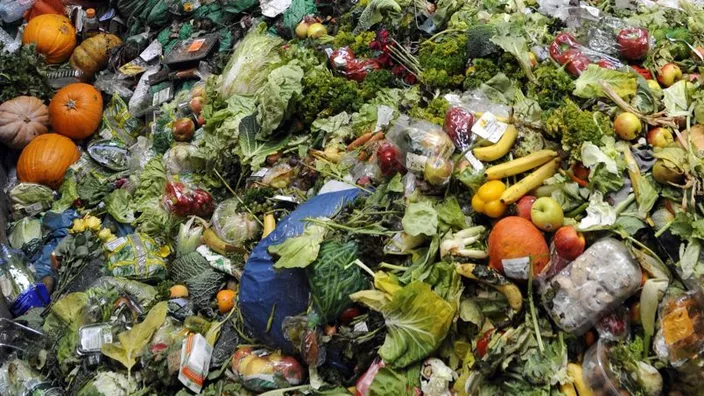
Pour une loi européenne contre le gaspillage alimentaire
Votée à l'unanimité le 3 février dernier, la loi contre le gaspillage alimentaire est une réponse au fléau de la faim et de la soif. Quatre mois après le vote, retour sur un combat qui dépasse les clivages et les frontières, selon Arash Derambarsh.
La loi sur le gâchis alimentaire votée: de Courbevoie à l'Assemblée Nationale!
Cette loi, pour laquelle je me suis battu depuis de longs mois, permettra à toute la classe moyenne et aux démunis de pouvoir manger et boire sans la crainte du pouvoir d'achat. Et de voir enfin disparaître les scandaleuses images de l'eau de javel sur de la nourriture consommable.
Cher M. Juncker, aidez-nous à éradiquer le gaspillage alimentaire en Europe
Le 3 février dernier le parlement français a voté à l'unanimité une loi historique contre le gaspillage alimentaire. En Europe, nous avons les mêmes problèmes...
Pourquoi nous devions faire plier la grande distribution sur le gaspillage alimentaire
Cette loi, pour laquelle nous nous sommes battus depuis de longs mois, permettra à plus de 10 millions de personnes de manger. Nous en appelons dorénavant au President de la Republique française et au President de la commission européenne.
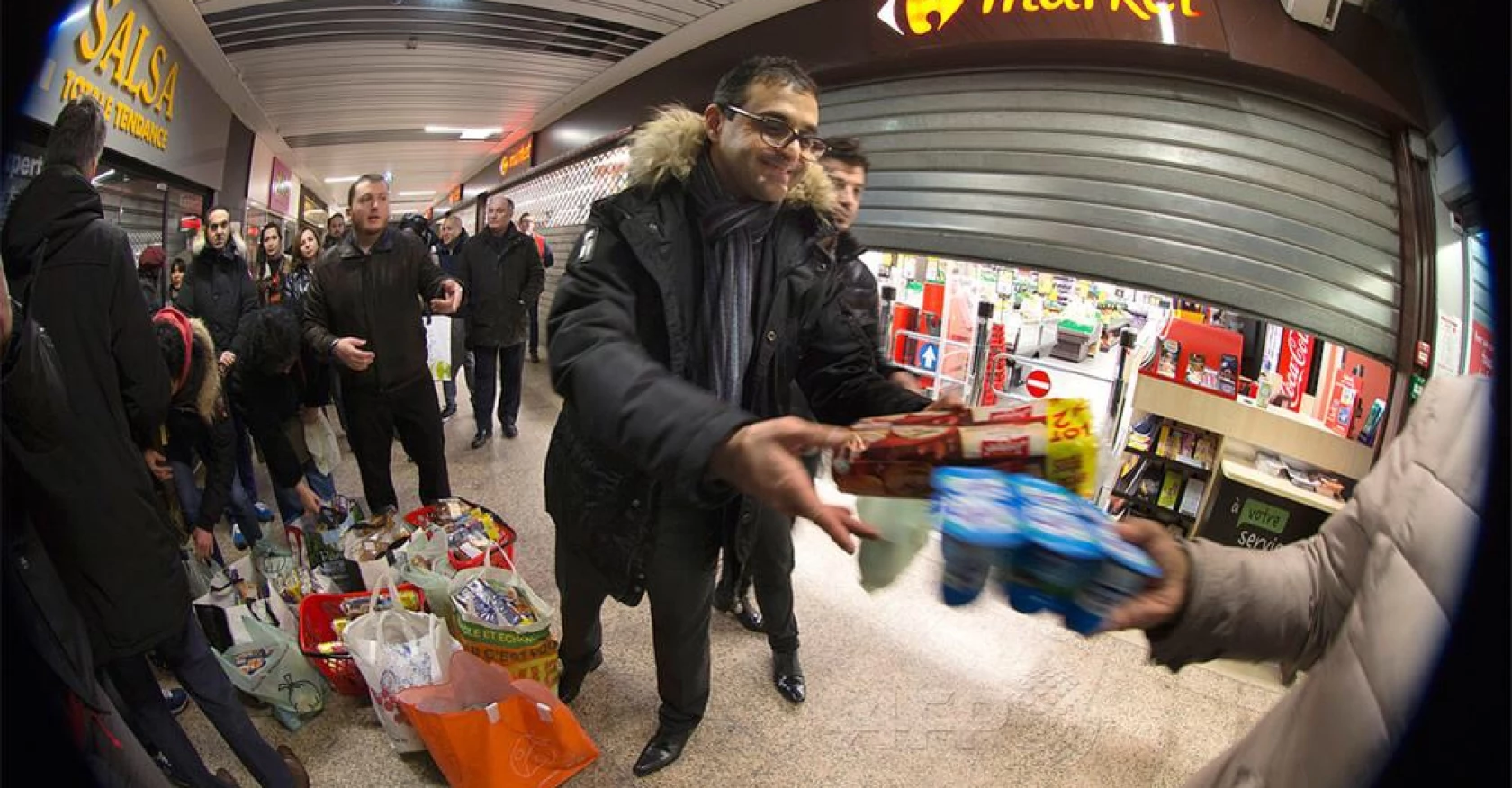
Gaspillage alimentaire : Pourquoi nous devions faire plier la grande distribution
Élu dans la ville de Courbevoie depuis mars 2014, je me suis investi, comme des milliers d’autres élus, au service de l’altérité.
Ensemble contre le gaspillage alimentaire en France et en Europe !
GASPILLAGE - 11 personnalités soutiennent cette pétition dans cette vidéo. Leur message est simple: "ensemble, allons plus loin pour dire stop au gaspillage alimentaire et obtenir cette loi"
Contre la faim et la soif, il faut une loi contre le gaspillage alimentaire!
La lutte contre la faim et la soif n'est ni de gauche, ni de droite mais elle est du devoir de chacun. Dès lors, dans notre combat transpartisan, il ne peut y avoir qu'une seule volonté commune face à une misère au quotidien : un encadrement légal simple et clair.

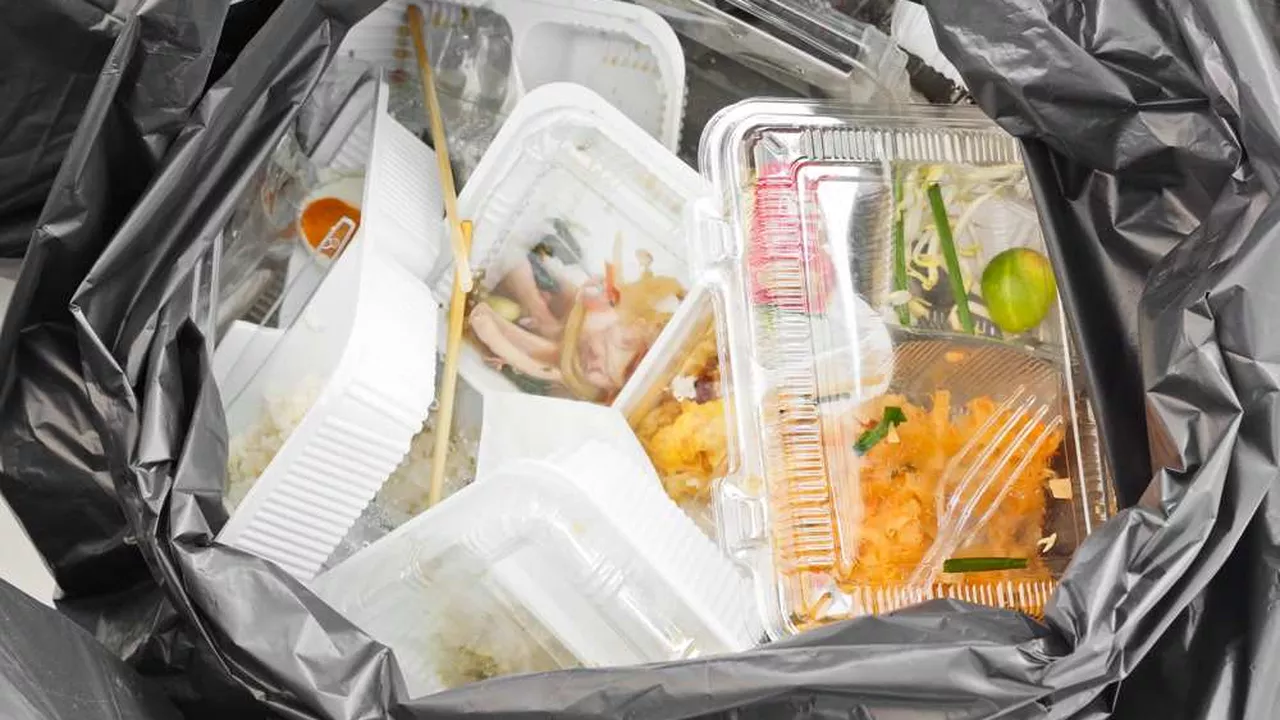
La Semaine du goût veut lutter contre le gaspillage alimentaire
La 26e édition de la Semaine du goût, qui défend le mieux-manger, s’engage cette année dans la lutte contre le gaspillage alimentaire, tout en conservant les « ateliers » et « leçons » de goût qui ont fait sa popularité depuis un quart de siècle. Du 12 au 18 octobre, des « tables du goût anti-gaspillage » seront organisées pour sensibiliser au gaspillage alimentaire.


La 26e Semaine du goût met l'accent sur le gaspillage alimentaire
Paris - La 26e édition de la Semaine du goût, qui défend "le mieux-manger", s'engage cette année dans la lutte contre le gaspillage alimentaire, tout en conservant les "ateliers" et "leçons" de goût qui ont fait sa popularité depuis un quart de siècle.

Stop au gaspillage alimentaire en Europe
ÉCONOMIE - Cette directive que nous voulons est simple : obligation pour chaque supermarché de donner ses invendus à l'association de son choix.